
What’s the Average Lifespan of a Furnace in Texas?
How Texas Use Patterns Shape Furnace Lifespan
Furnaces in Texas see a much different heating schedule than units in colder states. Long cooling seasons keep the air handler busy, and short bursts of winter cold wake the heater up fast and run it hard. That rhythm puts stress on igniters, sensors, inducer motors, and control boards. Dust buildup from long stretches of air conditioning can collect in the cabinet and on the blower, which makes winter startup rough if no one cleaned the unit in the fall.
Power quality matters too. Lightning and grid swings during storms can affect sensitive electronics and shorten the lifespan of a control board. With the right attention to cleaning, filtration, and electrical protection, a Texas furnace can reach the upper end of the typical range rather than timing out early due to heat stress and debris.
Why Installation Quality and Sizing Decide So Much
The installation of the system has a lot to do with how long it will last. A furnace that is too large blasts the space with heat and then shuts off before repeating the cycle. Those short cycles add up, prematurely wearing down parts. A unit that is too small runs constantly and still leaves distant rooms cool, which pushes motors and heat exchangers to their limits. Level placement, tight vent joints, proper gas pressure, and a matched coil above the cabinet matter as much as the name on the label.
If the contractor also verified static pressure and temperature rise at startup, the blower and heat exchanger likely began life in a safe band that supports a long run of steady seasons. When that early care was missing, the furnace spent its years fighting the duct system rather than heating the home.
Maintenance That Helps You Gain Extra Seasons
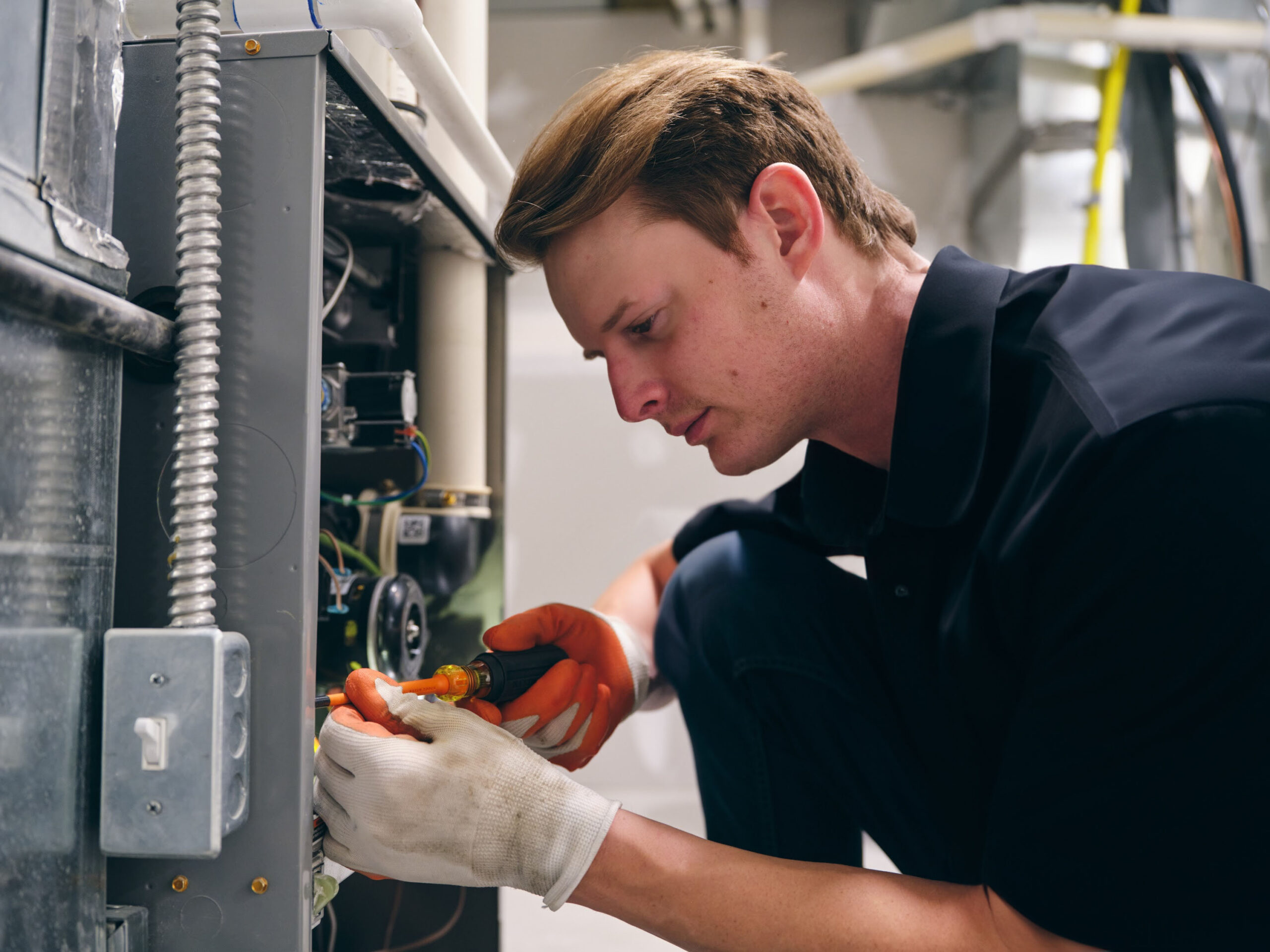
The calendar matters. A fall visit that focuses on combustion, airflow, and safety catches the small drifts that shorten life. The tech cleans burners, checks flame, verifies gas pressure, records temperature rise, and measures static pressure. They look at the blower wheel, tighten electrical connections, and test safeties. They also set the correct filter size and teach you how often to change it based on dust and pets.
A spring visit for the cooling side keeps the shared blower and coil clean, which supports the heater six months later. When a provider wraps furnace, air conditioning, and duct checks into comprehensive heating services, you get one plan that supports you through every season and helps your equipment age well.
Clear Signs Your Furnace Is Near Retirement
Aging furnaces leave clues. A sharp rise in noise at startup suggests a tired inducer motor or a blower fighting high static pressure. Rust flakes in the cabinet point to condensate issues that can progress to cracks. A yellow or flickering flame may indicate a combustion problem that needs fast attention.
Frequent resets of the limit switch suggest airflow or control trouble that can shorten the life of the heat exchanger. If your repair log shows repeat visits for igniters, sensors, or boards within a few winters, the unit may be nearing the end of its practical life even if it still heats. Planning a replacement on your timeline beats a late-night failure on the first hard freeze of the season.
How Long Do Texas Furnaces Last In Practice
With a clean install, steady airflow, good filtration, and yearly attention, many gas furnaces in this climate last 12 to 18 years. Units that started life oversized or that push air through tight ducts often land short of that number. Homes near construction or open fields may need more frequent filter changes to protect burners and motors from grit.
Power protection can be the difference between a control board that ages with the rest of the unit and one that fails early. When you line up these factors, you get a realistic window rather than a single advertised number. That window helps you budget for a planned swap instead of reacting to a failure during the busiest week of winter calls.
Repair Or Replace: A Calm Way To Decide
Use simple math and the condition of major parts to pick a path. If a repair quote is more than half the price of a new unit and the furnace has already spent many seasons in service, a planned change starts to make sense. If the unit is relatively new and the fix targets a single weak part, a repair can give you more years while you plan. Consider comfort, too.
Rooms that swing hot and cool, rising gas bills with no change in routine, and frequent trips to safety point to issues that a modern, properly sized system will solve better than another set of parts. When you talk to a contractor, ask for readings rather than opinions. Numbers on gas input, static pressure, and temperature rise tell a clear story about the path forward and help you avoid spending money unnecessarily.
When The Building Is A Business Or Mixed Use
Shops, clinics, and offices see very different loads than homes. Door traffic, long glass fronts, and open spaces shift the amount and timing of heat needed. A design that looks fine on paper can still struggle on windy days or during morning rush if the ducts and controls were not planned for that pattern. In those settings, teams often specify equipment and controls built for commercial heating services so the system can run longer cycles at lower output and hold steady comfort without spikes. The service plan also changes. Filter schedules tend to be tighter, and coil cleaning is usually set on the calendar rather than waiting for symptoms. Taking these steps up front helps the equipment in a busy space last longer without disruptive failures.
Getting Help When You Need It Most
Cold snaps do not care about schedules. If your heater fails when friends are visiting for the holidays or before a school day starts, you want accurate testing and a practical fix. Search for expert furnace repair in Killeen and talk to teams that share measured readings on every visit. With clear data and a calm approach, you can stretch your current system or start a thoughtful upgrade that carries you through many winters to come.
Bottom Line: Plan For Reliable Heat
A well-maintained furnace in Texas often runs 12 to 18 years, sometimes longer when installation and airflow are dialed in. You extend those years with seasonal tune-ups, correct filtration, clean burners, and quick fixes when parts start to drift out of range. When repairs stack up or efficiency slides, a right-sized replacement restores comfort and trims bills. We handle maintenance, heating repair, and full replacements, along with duct sealing and smart thermostat setup to support steady heat. Schedule your furnace service with Deane Electric & Air Conditioning, LLC today.