As temperatures start to climb in Killeen, your air conditioner quickly shifts from occasional use to daily demand. A spring AC tune-up in Killeen prepares your system for that transition, helping it run efficiently, cool evenly, and avoid unexpected breakdowns during peak summer heat. Scheduling maintenance early gives you time to address small issues before they turn into expensive repairs and ensures your home stays comfortable when Central Texas temperatures rise.
Why Spring Is the Best Time to Schedule an AC Tune-Up
Spring offers the ideal window to prepare your cooling system before heavy summer use begins. HVAC companies typically have more availability, allowing you to avoid the long wait times that often occur during heat waves. An early AC tune-up in Killeen helps your system handle rising temperatures without strain. Systems that receive maintenance before peak season tend to run more efficiently, cool faster, and maintain steady indoor comfort.
Spring service also allows our technicians to catch worn components, airflow problems, or electrical concerns before they cause a mid-summer breakdown. In Central Texas, summer heat arrives quickly and often lasts for months. Scheduling service early helps you stay ahead of that demand instead of reacting to it.
What’s Included in a Spring AC Tune-Up
A professional AC tune-up focuses on improving performance, efficiency, and reliability. Our team will inspect, clean, and test the system so it can handle consistent summer operation. During an AC tune-up in Killeen, we typically check electrical connections and system controls to ensure safe startup and shutdown. We clean condenser coils and remove debris that restricts airflow and reduces cooling performance. Our team can also replace air filters, supporting healthy airflow and indoor air quality.
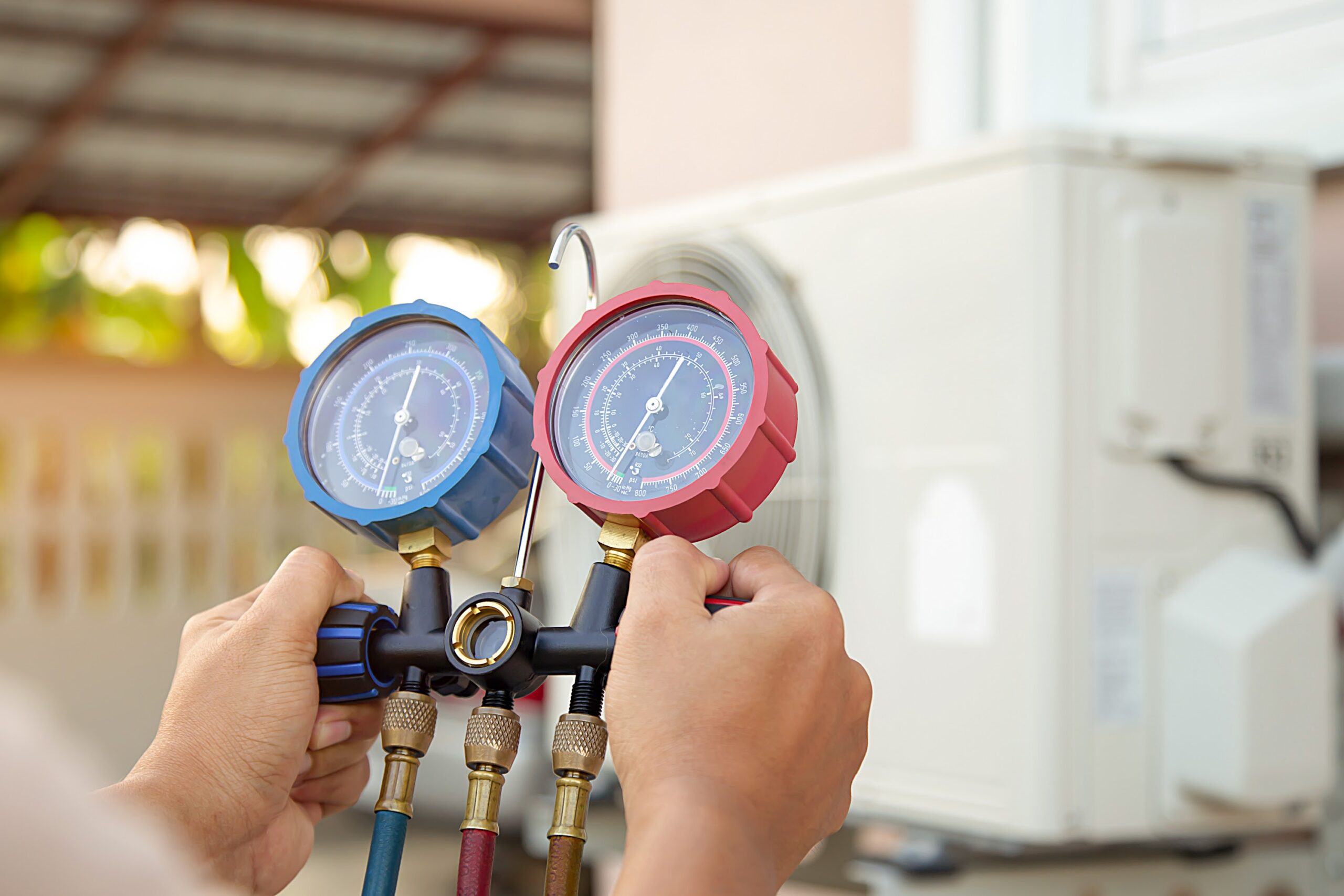
We measure refrigerant levels to confirm proper cooling capacity. Weak airflow, longer run times, and increased energy usage often occur when the refrigerant is low. We also test thermostat function, inspect duct airflow, and evaluate moving components, like motors and fans.
Signs Your System Needs Attention Before Summer
Some systems clearly signal the need for maintenance long before a full breakdown occurs. Paying attention to these warning signs helps you schedule service early and avoid uncomfortable surprises. Uneven cooling throughout your home often points to airflow problems or aging components. Warm spots, weak airflow, or rooms that never reach the set temperature suggest the system struggles to distribute air properly.
Rising energy bills can also signal performance issues. When your AC runs longer to maintain the same comfort level, efficiency has likely dropped. Strange noises, frequent cycling, or musty odors from vents also indicate the need for inspection. If your system struggled last summer or required repairs, scheduling an AC tune-up in Killeen before the next cooling season becomes even more important.
Why Tune Ups Matter in Central Texas
Central Texas weather places heavy demands on cooling systems. Long summers, high humidity, and sudden heat spikes force AC units to run longer and harder than in milder climates. Regular maintenance helps your system manage these conditions without excessive wear. Clean coils help improve heat transfer, while proper refrigerant levels support efficient cooling.
Preventive service also reduces the likelihood of emergency repairs during peak heat. When your AC runs reliably, you protect indoor comfort, control energy costs, and extend the life of your equipment. When you schedule an annual AC tune-up in Killeen, you experience fewer breakdowns, lower operating costs, and more predictable performance throughout the season.
AC Tune Up in Killeen FAQs
Most tune-ups take about 60 to 90 minutes, depending on system condition and accessibility. Older systems or those that have not received maintenance recently may require additional time for cleaning and inspection.
A tune-up focuses on prevention and performance. We clean, test, and inspect the system to keep it running efficiently. A repair addresses a specific problem, such as a failed component, refrigerant leak, or electrical malfunction.
Yes, maintenance still provides value even if you plan to replace your AC soon. A tune-up can improve performance for the remaining lifespan of the unit, reduce energy costs, and help you avoid breakdowns while planning your upgrade.
Uneven cooling often results from airflow imbalances, duct issues, or system limitations. In some homes, traditional central AC struggles to reach additions, upper floors, or isolated rooms. Mini-split systems can provide targeted cooling for these spaces. They supplement your main system, allowing you to control temperatures in specific areas without overworking the central unit.
Relaible AC Cooling
At Deane Electric, we help homeowners stay ahead of seasonal cooling demands with a thorough AC tune-up designed for reliability and performance. Since 1995, we have been providing quality cooling services to homeowners. Call us to schedule your AC tune-up in Killeen today.

The weather in Texas can be unpredictable during the springtime. It’s possible to experience heat and humidity one day and cool, windy weather the next. These weather shifts force your HVAC system to switch between heating and cooling more often, which can lead to uneven comfort and higher energy use. Using thermostat strategies helps you respond to sudden weather swings and manage indoor humidity.
Why Spring Thermostat Settings Matter in Texas
Your HVAC system may switch between heating and cooling modes frequently in the spring. This constant adjustment affects energy use, indoor comfort, and equipment performance. Effective thermostat strategies help prevent overworking your HVAC system during unpredictable weather. Spring settings also influence humidity control. When your system runs efficiently, it removes excess moisture while maintaining comfortable airflow.
Temperature Setpoints for Mild Days and Cool Nights
Spring weather often brings warm afternoons followed by cool evenings. Setting your thermostat too aggressively during these transitions can waste energy and create comfort issues. For mild daytime conditions, slightly higher cooling setpoints help your system run efficiently without constant cycling. During cooler nights, moderate heating setpoints prevent temperature swings while keeping energy use in check.
Programmable and smart thermostats make these adjustments easier. You can schedule temperature changes to match your daily routine, eliminating the need to manually adjust the thermostat multiple times per day. If you are using a ductless system, you may rely on individual thermostat controls for different rooms. Zoned temperature control improves comfort and reduces energy waste, especially when some areas of the home warm faster than others.
Thermostat Mistakes That Waste Energy
You may assume frequent thermostat adjustments improve comfort, but some habits actually increase energy use and equipment wear. Constantly raising and lowering temperatures forces your system to work harder than necessary. Large temperature swings can trigger longer run times and uneven cooling or heating.
Switching between heating and cooling modes too often can also create inefficiency. Systems need time to stabilize, and frequent changes prevent them from operating at peak performance. Ignoring humidity settings can make indoor air feel uncomfortable. Balanced thermostat strategies in spring consider both temperature and humidity control.
Incorrect thermostat placement can also lead to poor performance. Thermostats installed near windows, vents, or direct sunlight often misread room conditions and cause unnecessary system cycling.
When a Thermostat Problem Is Really an HVAC Issue
Not every comfort issue stems from thermostat settings. Sometimes the thermostat simply reveals deeper problems in the HVAC system. Frequent on-off cycling may indicate airflow restrictions, refrigerant problems, or overheating components rather than faulty thermostat programming. Uneven temperatures can point to duct issues or insulation gaps. Weak airflow often signals filter buildup or blower concerns.
Electrical problems may also appear as thermostat malfunctions. If your system struggles to start or respond, wiring or power issues may be the real cause. Recognizing the difference between a setting issue and a mechanical problem helps prevent unnecessary adjustments and ensures the system receives proper service when needed. Contact our team at Deane Electric & Air Conditioning, LLC for assistance in Killeen, TX.
Thermostat Strategies for Texas Spring FAQs
Auto mode works well during unpredictable spring weather because it allows the system to switch between heating and cooling as conditions change, which helps maintain steady comfort with fewer adjustments. Hold mode is ideal when indoor temperatures stay consistent. Though it usually requires more attention during rapid weather swings. Ductless systems benefit from zoned thermostat controls that adjust each space independently for better comfort and efficiency.
Short cycling can appear to be a thermostat issue. However, it often signals a mechanical problem. Dirty filters, airflow restrictions, or overheating components can cause the system to shut down and restart repeatedly. Thermostat placement can also contribute if it senses temperature changes too quickly. A professional inspection can determine whether heater short cycling comes from control settings or HVAC performance issues.
Breaker trips usually indicate an electrical concern rather than a thermostat malfunction. Start-up draws high power, and worn components, wiring problems, or motor issues can overload the circuit.
When warm air feels cooler than expected, it may be a result of several factors. Heat pumps often produce air that feels less warm than furnace heat but still maintains indoor comfort. Airflow restrictions, thermostat calibration issues, or duct leaks can also affect how warm the air feels. If temperatures never reach the setpoint, a system inspection helps identify whether the issue relates to settings or equipment performance.