
Why Your Breakers Keep Tripping in Winter
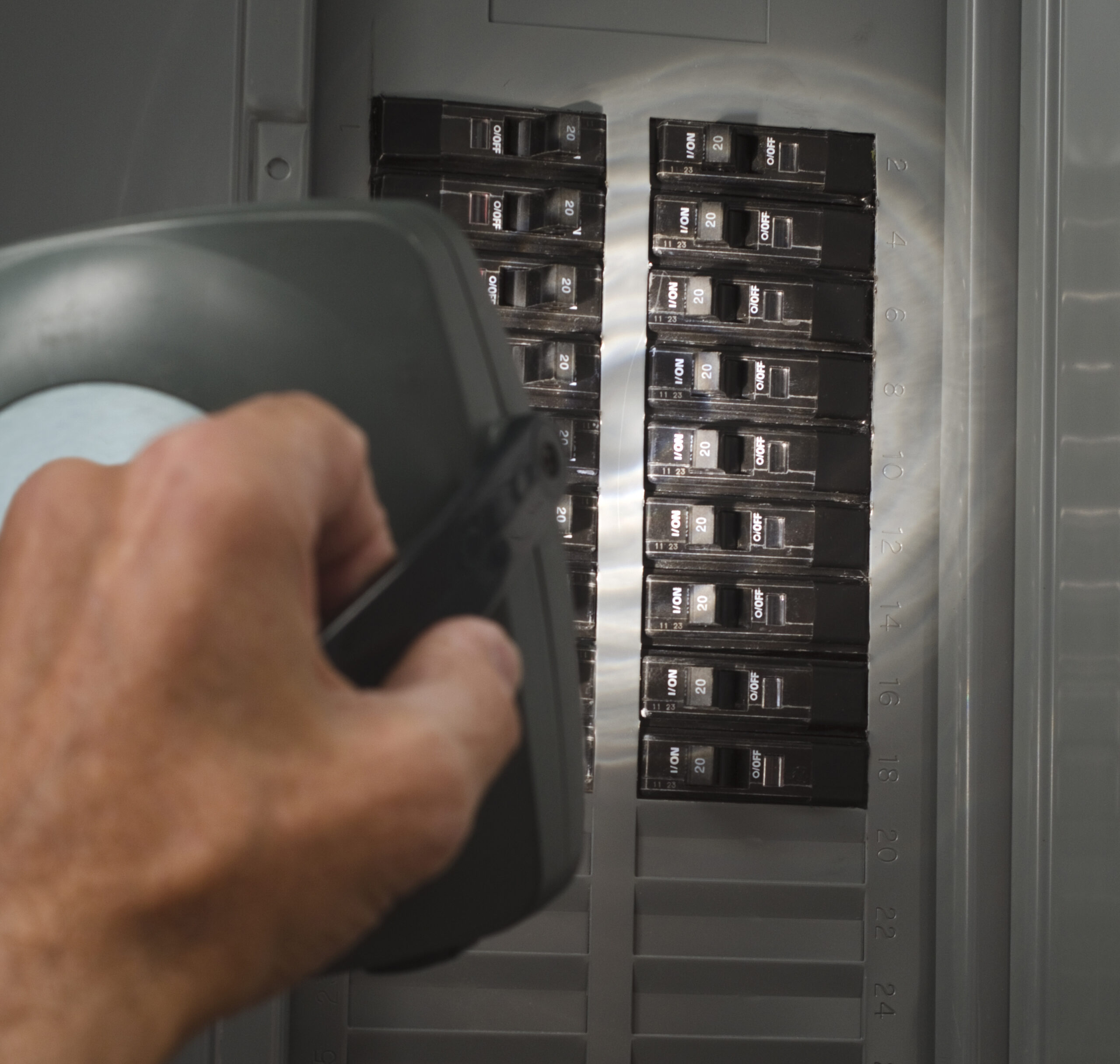
A circuit breaker protects your wiring and appliances against electrical overloads that can cause shocks, fires, and other damage. Breakers trip when excess current flows through a circuit. During winter, you may find your breakers shutting off more frequently as your energy use increases. Below, we’ll discuss some common seasonal causes of tripping circuit breakers and offer suggestions for restoring uninterrupted service.
What a Tripping Breaker Means
When your circuit breakers trip, it means that there’s a fault in your home’s circuitry caused by too much current. When a breaker detects a problem in a circuit, it cuts power to it automatically. Reasons your breakers could trip include:
Overload
Usually, an overloaded circuit is the number one cause of a tripping circuit breaker. An overload happens when a circuit draws more current than it’s engineered to carry. If you have too many appliances running on the same circuit at once, it’s easy to exceed the capacity of the circuit and trigger the breaker to shut off power, and a quick check of residential electrical services can help you know what to do next.
Short Circuit
A short circuit is another electrical fault that can cause your breaker to trip. When a “hot” wire carrying live current touches another hot or neutral wire due to a loose connection or malfunction, it can create a sudden surge of current that can generate extreme heat and lead to equipment failure, circuit damage, shock, and fire, and if that keeps happening it is worth reaching out to schedule electrical help so it can be diagnosed safely. If your breaker detects a short, it will shut off power to that circuit.
Ground Fault
A ground fault happens when a hot, energized wire touches a conductive material unintentionally and thereby finds the shortest path to the ground. When a circuit breaker detects that current is flowing through the wrong path or the grounding system, it will shut off. Excess moisture and metal contraction that loosens connections are common causes of ground faults.
Arc Fault
Damaged and loose wiring, outlets, and switches, and faulty appliances can lead to sparks and electrical arcs when current is flowing. These bursts of energy can trip your circuit breaker when the current is large enough to detect.
Winter-Specific Reasons Breakers Trip More Often
It’s common for households to use more electricity in winter to power lights, heaters, and other appliances. Winter weather and colder temperatures can also make your electrical components more sensitive and expose underlying issues like fatigue in your wiring. If you notice your breakers are tripping more frequently, it could be due to:
Space Heaters Are Overloading Your Circuits
Space heaters are energy-intensive devices that typically use about 1500 watts of power. Most standard 15-amp residential circuits can handle about 1,800 watts of power. If you run more than one space heater, or a space heater and other appliances on the same circuit, it’s easy to cause an overload.
Holiday Lights and Decorations Add Load
Holiday lights are beautiful, but the more you put up, the greater the power draw on your electrical system. If you’re running several sets of lights on the same circuit, it’s easy to create an overload. What’s more, if you hang lights outside in cold weather, their components could be exposed to moisture or come loose and cause an electrical fault.
Heating Equipment Exposes Electrical Problems
When it’s cold outside, many households rely on heat pumps, electric furnaces, electric blankets, and space heaters to stay warm. If your breaker trips when you turn on a heater, you may want to ensure that your wiring can safely supply the necessary amount of power, especially if you have older equipment and may be considering whole home heating updates.
Garage and Workshop Circuits Get Used More
If you’re a fan of doing woodworking or other home-improvement projects in winter, you may be using the circuits in your garage more often. If you’re using high-wattage tools like table saws or belt sanders that your circuits can’t handle, it’s likely your breakers will trip.
Outdoor Outlets and Circuits Trip from Moisture
Bad winter weather can bring in rain, snow, and other moisture that can seep into your outdoor electrical boxes. These conditions can lead to ground faults, short circuits, and malfunctioning sockets that can cause your breakers to trip. Moisture can also damage your wiring insulation and make it susceptible to fault conditions, and adding safer outdoor lighting can help reduce weather-related issues when exterior fixtures are outdated.
A Weak Breaker or Overloaded Panel Shows Up in Winter
If your circuit breaker panel is decades old, it might not be set up to meet your demand for power during the winter. Outdated circuit breakers are more likely to trip when your circuitry is under heavy use. If you notice buzzing sounds, overheating, or power outages during the colder months, you may need to upgrade your breakers.
Loose Connections Become a Bigger Issue in Cold Weather
During the winter season, freezing temperatures can cause metal components and insulation to contract. This can increase resistance in your circuitry and increase the potential for arcing and moisture intrusion, all creating fire hazards and causing tripped breakers.
Safe Troubleshooting Steps at Home
If you notice that your breakers are tripping more than usual, it’s time for some basic troubleshooting. Here are a few ways you can attempt to resolve the issue safely:
- Unplug devices to reduce the load on your circuit
- Reset the breaker by flipping it fully OFF, then ON
When to Call an Electrician Right Away
If your breakers still trip frequently after basic troubleshooting, your circuitry likely needs attention from pros who offer specialized electrical services. To stay safe, it’s best to call an electrician to fix the issue.
Signs You Need Emergency Electrical Repair
- Your breaker will not reset or trips immediately
- You hear buzzing sounds or notice a burning smell near your breaker panel
- Multiple breakers trip or the main breaker trips
- Your breaker trips when the heating system turns on
- Your lights flicker or you feel heat or see scorch marks near an outlet or switch
How an Electrician Diagnoses and Fixes Repeat Tripping
When a breaker trips repeatedly, an electrician can inspect your circuitry and diagnose and address the problem with specialized tools and training. They may use devices like infrared scanners and multimeters to find excess heat, voltage, and electrical current in your wiring. Electricians may also check for frayed, corroded, or exposed wiring and connections that could cause a fault. They will also make sure that your wiring is up-to-date and in compliance with current safety codes.
How to Prevent Breaker Trips for the Rest of Winter
After you’ve fixed your tripping circuit breakers, there are steps you can take to prevent the problem from recurring. These measures include:
- Distribute high-powered appliances among several circuits
- Stop using devices that cause your breakers to trip
- Avoid plugging several devices into a single power strip
- Make sure your circuit breaker and indoor and outdoor circuitry are up-to-date
- Weatherproof your outdoor sockets and circuitry
Keep Your Power Flowing Freely This Winter With Deane Electric
If your breakers keep tripping in winter, it’s a sign your home’s circuitry needs attention. At Deane Electric, we can find the root cause of your electrical issues and provide the electrical panel repairs and replacements you need. We also provide a full range of electrical services, including inspections, maintenance, and installations to Killeen, TX, residents.
When you need expert help fixing your circuit breakers, don’t delay: call Deane Electric today.