Furnace blowing cold air is one of the most frustrating winter HVAC problems, because it feels urgent even when the cause is simple. When cold winter weather settles in, having a reliable furnace is a must to keep your home and family warm, but if your furnace is blowing cold air, something is interrupting the heating cycle or airflow. Below, we’ll cover what it means when a furnace blows cold air, the most common causes, and what you can do next.
What Does It Mean When Your Furnace Blows Cold Air?
When your furnace is blowing cold air, it can point to several different issues, ranging from thermostat settings to safety shutoffs. It helps to remember there are two core parts working together: the furnace section that creates heat and the blower section that moves air through the duct system. If either side has a problem, you may feel cold air at the vents even though the system is trying to run, and that is when home heating services can help confirm what is happening quickly.
13 Common Reasons Your Furnace Blows Cold Air
If you notice furnace blowing cold air during a cold snap, you probably want a fast fix. Some causes are DIY-friendly, while others need a technician. Use this list to narrow down what is most likely in your home.
1. Thermostat Set to Cool or Fan Set to On
One of the most common reasons a furnace blows cold air is a thermostat setting issue. First, confirm your thermostat is set to Heat, not Cool. Next, check the fan setting. If the fan is set to ON, it will run continuously and can push unheated air between heating cycles. Switching the fan from ON to AUTO often resolves the “cold air” complaint, because AUTO only runs the blower when the furnace is actively heating.
2. Dirty or Clogged Air Filter
A dirty filter can restrict airflow and cause the furnace to overheat. When that happens, a safety switch may shut down the burners while the blower keeps running, which feels like your furnace is blowing cold air. Replacing the filter is one of the quickest steps to restore normal airflow and steady heating.
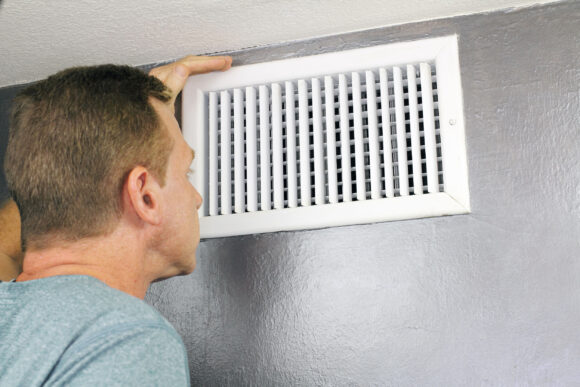
3. Closed or Blocked Supply and Return Vents
Blocked vents, closed registers, and furniture covering returns can reduce airflow enough to trigger overheating and safety shutoffs. Make sure supply vents are open, returns are not blocked, and airflow can circulate through the home.
4. Pilot Light Has Gone Out
Older gas furnaces may rely on a standing pilot light. If it goes out, the burners cannot ignite, so the blower may circulate air that is not heated. If you are comfortable doing so, follow the manufacturer’s instructions to relight it safely.
5. Faulty Electronic Igniter
Modern furnaces use an electronic igniter instead of a standing pilot. If the igniter fails, the burners will not light and you can end up with a furnace blowing cold air situation even though the system is “calling” for heat. This typically requires professional replacement.
6. Clogged Condensate Drain Line
High-efficiency furnaces produce moisture that must drain properly. If the drain clogs, the furnace may shut down as a safety measure while the blower continues, leaving you with cool air at the vents. A technician can clear the blockage and verify the drain route is correct.
7. Gas Supply Valve Turned Off or Restricted
If the gas valve is partially closed, fully off, or restricted, the furnace may not get enough fuel to heat properly. This can look like your furnace is blowing cold air because the blower runs without consistent burner operation. If you confirm the valve is open and the issue continues, a pro should inspect the supply safely.
8. Dirty or Failing Flame Sensor
Flame sensors verify burner flame. If the sensor is dirty or failing, it can shut off gas flow even when the burners should stay on. That leaves the blower pushing air that is not being heated. Carefully cleaning the sensor may help, but replacement is sometimes needed.
9. Tripped or Faulty High Limit Switch
The high limit switch protects against overheating. If it trips frequently, there is usually an airflow problem. If it is faulty, it can shut the furnace down even when temperatures are normal, which can create a repeated furnace blows cold air pattern.
10. Furnace Overheating From Poor Airflow
Poor airflow is one of the biggest drivers of overheating and short heating cycles. The furnace shuts down to protect itself, but the blower may still move air. If this keeps happening, you may also see other electrical symptoms around the home during heavy winter usage, and it is worth reviewing winter breaker problems as another sign your home is under seasonal strain.
11. Leaky or Poorly Insulated Ductwork
Leaky ducts can spill warm air into attics, crawlspaces, or walls before it reaches your rooms. By the time airflow reaches vents, it can feel cool, making it seem like furnace blowing cold air is the issue when the real problem is heat loss in the duct system.
12. Oversized System That Short Cycles
An oversized furnace can heat too fast, shut off too quickly, and then push cooler air as the blower cycles, which many homeowners describe as “my furnace is blowing cold air.” Proper sizing is critical, and if you suspect this is happening, review choosing the right size so you know what a technician will evaluate in your home.
13. Aging Furnace or Failing Heat Exchanger
As furnaces age, efficiency drops and components wear down. A failing heat exchanger can reduce heat transfer and may create serious safety concerns. If your system is older and performance is declining, it helps to understand typical furnace lifespan so you can plan repairs versus replacement before a breakdown.
How Do You Fix a Furnace That Blows Cold Air?
Start with the safe basics: confirm thermostat mode and fan settings, replace a dirty filter, and make sure vents are open and unblocked. If your furnace blows cold air after those checks, the issue is usually related to ignition, sensors, fuel delivery, drainage, or safety switches, and a trained technician should diagnose it with the right tools.
Is It Safe to Run a Furnace Blowing Cold Air?
In many cases, it is best to turn the system off and identify the cause, especially if you smell gas, notice unusual noises, or the system keeps shutting down. A furnace that is repeatedly overheating or triggering safety shutoffs can be damaged if it continues to run without correction.
When to Call a Professional Furnace Repair Tech in Killeen
If your furnace is blowing cold air and the simple steps above do not solve it, it is time for professional help. Deane Electric & Air Conditioning provides 24/7 heating repair for urgent issues, and we can identify the root cause quickly so you can get back to consistent, safe heat.
FAQs About a Furnace Blowing Cold Air
Yes, brief cool airflow can be normal at the start of a heat cycle while the system ramps up, but sustained cold air usually indicates a problem. If you want a quick baseline for what “normal” looks like in your home, start with
heating system basics and then compare what you are experiencing.
If the furnace is repeatedly shutting down, overheating, or you notice burning smells, it is safer to stop running it and get it checked. Booking
professional furnace repair can prevent further damage and confirm the issue is not a safety hazard.
Yes, an oversized system can short-cycle and leave you feeling cool air between short heating bursts. If you are unsure whether your system is properly matched to your home, read
heating system sizing so you know what factors matter before you replace equipment.
Lifespan varies by fuel type, maintenance, and runtime, but age is a major factor when performance drops and problems stack up. Use
Texas furnace lifespan as a planning guide, especially if repairs are becoming frequent.
If you want more quick troubleshooting and seasonal maintenance guidance, you can
browse HVAC blog posts and use the topics as a checklist before calling for service.
When the winter temperatures dip, you need a reliable heating system to get your family safely through. Unfortunately, heaters do malfunction from time to time. One of the more common problems you may experience is your unit frequently turning on and off. This is known as short cycling and can indicate various problems with your system.
What Does It Mean When a Heater Is Short-Cycling?
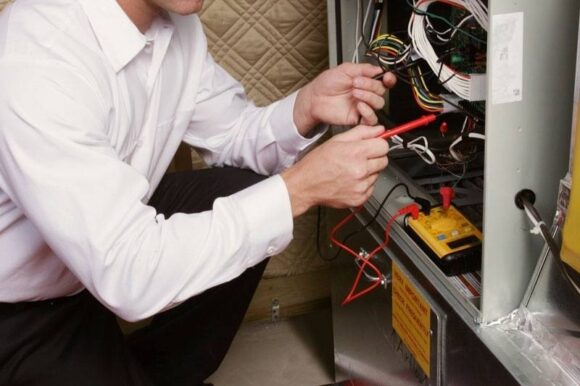
When your system short-cycles, it will turn on and run for a short period of time. Then, it will turn off before it brings your home up to your desired temperature setting. This repeated on-and-off cycle can put a big strain on your heating system and make it more likely to fail. Additionally, the constant strain on your heater will shorten its overall lifespan.
Furnace short-cycling can prevent your home from being evenly warmed. You’ll experience a decrease in comfort and more frequent temperature swings. This frequent cycling is very inefficient and can cause a steady increase in your energy bills for the winter. If the short cycling is caused by something like a blocked vent or cracked heat exchanger, it could pose a major safety hazard. Having toxic fumes, like carbon monoxide, trapped inside your home can be exceedingly hazardous, even leading to fatality in severe cases.
When your heater doesn’t run through an entire cycle, it can’t provide adequate air filtration for your home. This can allow unwanted dust and allergens to build up. One thing to keep in mind when it comes to system short cycling is that it’s indicating an underlying problem with your unit. It’s best to get a professional evaluation from our team to get to the root cause of the issue. Ignoring short cycling could lead to bigger system problems over time.
What Is the Most Common Cause of Heater Short-Cycling?
The most common reason your heater may be short-cycling is due to restricted airflow. This happens when there’s a dirty air filter that’s limiting the movement of air in your ducting. When there isn’t adequate airflow, heat will build up inside your heating system. Your heater has an internal limit switch that will shut the furnace off whenever it senses that it’s overheating.
This is why your unit constantly shuts off before it adequately warms your home. If the airflow restriction isn’t caused by a dirty air filter, it may be due to restricted air vents and registers. If one or more of your vents or registers are closed or obstructed, it can restrict airflow. This will lead to overheating and the short-cycling that you may be experiencing. In some cases, the obstruction could be located inside your ducting. Examples include nesting from pests or major debris buildup from inadequate duct cleaning.
One cause that may not immediately come to mind is your thermostat. If the thermostat itself is faulty, has poor placement, or incorrect wiring, it could cause your short-cycling issue. For example, if your thermostat is placed in direct sunlight, it could falsely lead to a higher temperature reading. This can result in your unit shutting off suddenly before it truly goes through an entire cycle.
All modern-day heaters have safety sensors that are intended to prevent them from creating a fire hazard in your home. These are known as limit switches and will shut your system off in the event of overheating. Unfortunately, if your furnace’s limit switch is faulty, it could falsely trigger your unit to shut off when it isn’t overheating.
If your furnace burns natural gas or propane, it has a burner that’s responsible for the combustion process. Each furnace has a built-in flame sensor that’s responsible for detecting when there’s a stable flame. If there’s no flame on the burner, the sensor will shut off the fuel supply to prevent excess gas from backing up inside your unit. While this is great for safety, it can be a real pain when the flame sensor malfunctions. It could malfunction due to a dirty sensor or a faulty one.
All modern-day furnaces have control boards that are responsible for telling them how to operate. Issues like faulty relays, loose wiring, and control board malfunctions can all interrupt your system’s normal heating cycle. This can cause the unit to shut down unexpectedly before it gets through an entire heating cycle.
One other culprit of short cycling is a cracked heat exchanger. This component is responsible for housing the toxic exhaust fumes that your unit burns on their way out of your ventilation system. As the heat exchanger gets older, it will crack. These cracks can allow more heat to escape into your furnace, causing it to overheat and trigger its limit switch.
For your furnace to run properly, it needs a steady supply of fuel. Whenever there’s an obstruction in this fuel supply line, it can cause the flame on the burner to go out. Without adequate fuel, your heater will repeatedly try restarting.
If your furnace burns natural gas, propane, or heating oil, it has a vent pipe to get rid of toxic exhaust fumes. Unfortunately, these flue pipes can occasionally become blocked by snow, debris, and even bird nests. When these hot gases can’t escape your unit, the heat will back up inside your furnace and trigger the limit switch.
Another potential cause includes an oversized heating system. If you just recently had your HVAC unit replaced and are now having this issue, it’s likely your unit is too large for your space. It’s necessary to downsize to a smaller unit that can complete a full cycle before shutting off.
How Do You Fix Heater Short-Cycling?
When you first notice a short-cycling issue, it’s important to start with basic solutions. The easiest way will be to check your air filter. Pull it out of its housing and hold it up to a light. If you can’t see through the filter, it’s time for a replacement. It’s best to regularly check your air filter every month and replace it when needed. Always have a spare filter on hand so that you can do a replacement whenever necessary.
If the filter is still in good condition, consider checking your vents. Inspect each supply and return vent to see if it’s open and free from any obstructions. Items like rugs, furniture, and even curtains can block your air vents and disrupt their airflow. You want to aim for a good three feet of open space surrounding the vent for optimal airflow in or out.
When Should You Call a Professional for Heater Short-Cycling in Killeen?
If your air filter isn’t dirty and your vents and registers have adequate airflow, then it’s time to call Deane Electric & Air Conditioning for professional heating repair assistance. It’s never a good idea to attempt DIY heater repair, as doing so could void the warranty on your unit. Instead, opt for calling our professionals who can perform warranty repair work for you. Our team can thoroughly assess the root cause of the issue and even provide heater replacement whenever necessary.
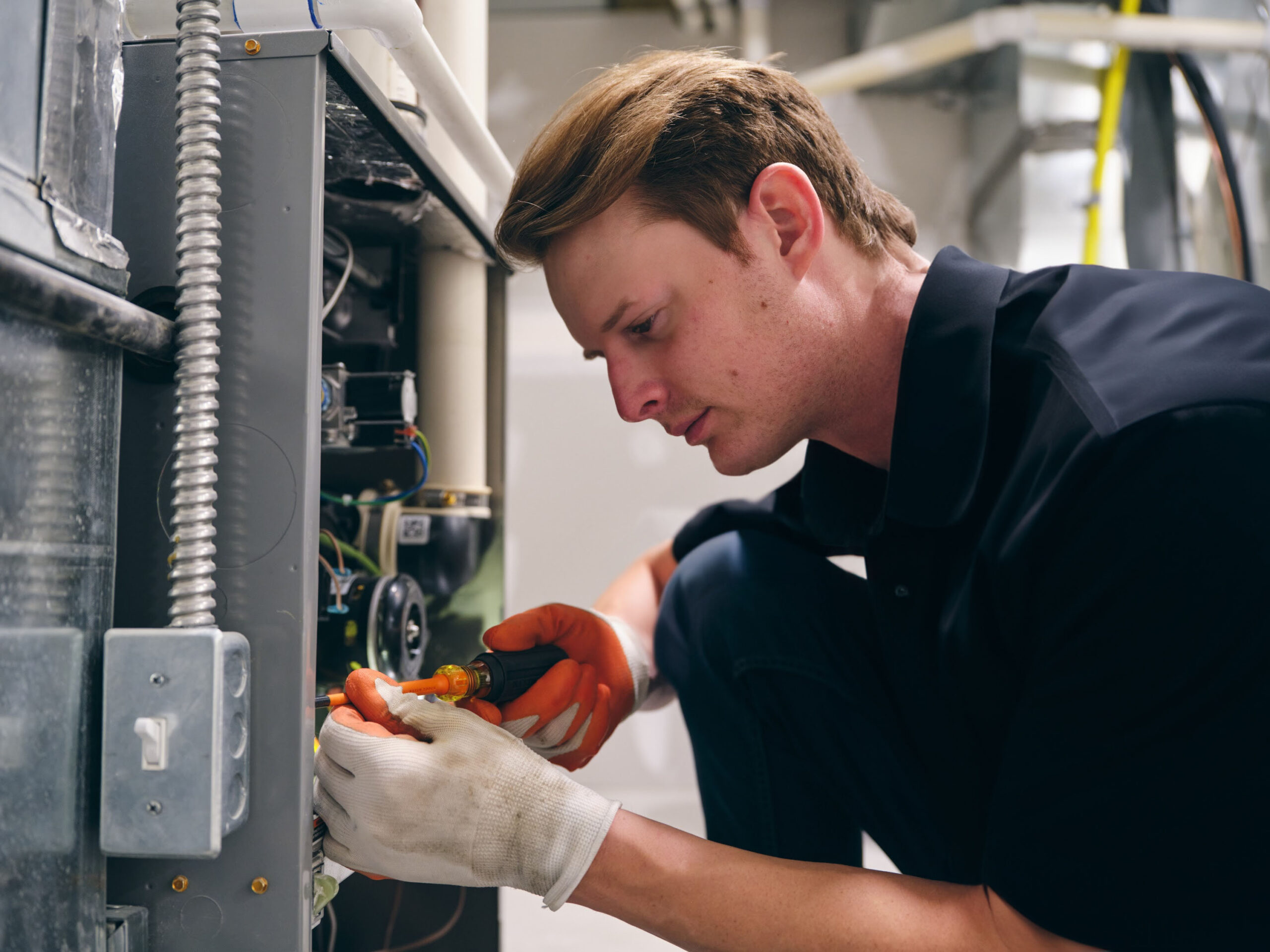
Texas winters tend to be short and mild, but periodic cold snaps can be intense. That stop-and-start pattern can be tough on a furnace, especially if filters clog, ducts leak, or the system was never sized or installed correctly. Lifestyle, maintenance habits, dust from long cooling seasons, and power quality all affect service life. At
Deane Electric & Air Conditioning, LLC in Killeen, TX, we help homeowners track age, tune performance, and decide whether a repair still makes sense or an upgrade is smarter. Use this guide to learn what affects lifespan and how to stretch the years you have.
How Texas Use Patterns Shape Furnace Lifespan
Furnaces in Texas see a much different heating schedule than units in colder states. Long cooling seasons keep the air handler busy, and short bursts of winter cold wake the heater up fast and run it hard. That rhythm puts stress on igniters, sensors, inducer motors, and control boards. Dust buildup from long stretches of air conditioning can collect in the cabinet and on the blower, which makes winter startup rough if no one cleaned the unit in the fall.
Power quality matters too. Lightning and grid swings during storms can affect sensitive electronics and shorten the lifespan of a control board. With the right attention to cleaning, filtration, and electrical protection, a Texas furnace can reach the upper end of the typical range rather than timing out early due to heat stress and debris.
Why Installation Quality and Sizing Decide So Much
The installation of the system has a lot to do with how long it will last. A furnace that is too large blasts the space with heat and then shuts off before repeating the cycle. Those short cycles add up, prematurely wearing down parts. A unit that is too small runs constantly and still leaves distant rooms cool, which pushes motors and heat exchangers to their limits. Level placement, tight vent joints, proper gas pressure, and a matched coil above the cabinet matter as much as the name on the label.
If the contractor also verified static pressure and temperature rise at startup, the blower and heat exchanger likely began life in a safe band that supports a long run of steady seasons. When that early care was missing, the furnace spent its years fighting the duct system rather than heating the home.
Maintenance That Helps You Gain Extra Seasons
The calendar matters. A fall visit that focuses on combustion, airflow, and safety catches the small drifts that shorten life. The tech cleans burners, checks flame, verifies gas pressure, records temperature rise, and measures static pressure. They look at the blower wheel, tighten electrical connections, and test safeties. They also set the correct filter size and teach you how often to change it based on dust and pets.
A spring visit for the cooling side keeps the shared blower and coil clean, which supports the heater six months later. When a provider wraps furnace, air conditioning, and duct checks into comprehensive heating services, you get one plan that supports you through every season and helps your equipment age well.
Clear Signs Your Furnace Is Near Retirement
Aging furnaces leave clues. A sharp rise in noise at startup suggests a tired inducer motor or a blower fighting high static pressure. Rust flakes in the cabinet point to condensate issues that can progress to cracks. A yellow or flickering flame may indicate a combustion problem that needs fast attention.
Frequent resets of the limit switch suggest airflow or control trouble that can shorten the life of the heat exchanger. If your repair log shows repeat visits for igniters, sensors, or boards within a few winters, the unit may be nearing the end of its practical life even if it still heats. Planning a replacement on your timeline beats a late-night failure on the first hard freeze of the season.
How Long Do Texas Furnaces Last In Practice
With a clean install, steady airflow, good filtration, and yearly attention, many gas furnaces in this climate last 12 to 18 years. Units that started life oversized or that push air through tight ducts often land short of that number. Homes near construction or open fields may need more frequent filter changes to protect burners and motors from grit.
Power protection can be the difference between a control board that ages with the rest of the unit and one that fails early. When you line up these factors, you get a realistic window rather than a single advertised number. That window helps you budget for a planned swap instead of reacting to a failure during the busiest week of winter calls.
Repair Or Replace: A Calm Way To Decide
Use simple math and the condition of major parts to pick a path. If a repair quote is more than half the price of a new unit and the furnace has already spent many seasons in service, a planned change starts to make sense. If the unit is relatively new and the fix targets a single weak part, a repair can give you more years while you plan. Consider comfort, too.
Rooms that swing hot and cool, rising gas bills with no change in routine, and frequent trips to safety point to issues that a modern, properly sized system will solve better than another set of parts. When you talk to a contractor, ask for readings rather than opinions. Numbers on gas input, static pressure, and temperature rise tell a clear story about the path forward and help you avoid spending money unnecessarily.
When The Building Is A Business Or Mixed Use
Shops, clinics, and offices see very different loads than homes. Door traffic, long glass fronts, and open spaces shift the amount and timing of heat needed. A design that looks fine on paper can still struggle on windy days or during morning rush if the ducts and controls were not planned for that pattern. In those settings, teams often specify equipment and controls built for commercial heating services so the system can run longer cycles at lower output and hold steady comfort without spikes. The service plan also changes. Filter schedules tend to be tighter, and coil cleaning is usually set on the calendar rather than waiting for symptoms. Taking these steps up front helps the equipment in a busy space last longer without disruptive failures.
Getting Help When You Need It Most
Cold snaps do not care about schedules. If your heater fails when friends are visiting for the holidays or before a school day starts, you want accurate testing and a practical fix. Search for expert furnace repair in Killeen and talk to teams that share measured readings on every visit. With clear data and a calm approach, you can stretch your current system or start a thoughtful upgrade that carries you through many winters to come.
Bottom Line: Plan For Reliable Heat
A well-maintained furnace in Texas often runs 12 to 18 years, sometimes longer when installation and airflow are dialed in. You extend those years with seasonal tune-ups, correct filtration, clean burners, and quick fixes when parts start to drift out of range. When repairs stack up or efficiency slides, a right-sized replacement restores comfort and trims bills. We handle maintenance, heating repair, and full replacements, along with duct sealing and smart thermostat setup to support steady heat. Schedule your furnace service with Deane Electric & Air Conditioning, LLC today.
Most furnaces in Texas last about 12 to 18 years, depending on installation quality, airflow, maintenance, and power stability. If your system is already showing age-related issues, review
heating replacement options before an emergency breakdown forces a rushed decision.
Cold air can come from thermostat settings, flame sensor trouble, overheating, airflow restrictions, or ignition problems. For a deeper breakdown, read
why furnaces blow cold air and compare those symptoms to what your system is doing now.
Yes. Short cycling creates frequent starts and stops that wear out igniters, motors, and controls faster than normal operation. If your furnace keeps shutting off too quickly, learn more about
common short cycling causes so the issue can be corrected before it leads to larger repairs.
A yearly heating tune-up is the minimum, and many homes benefit from a full seasonal plan that supports both heating and cooling performance. To stay ahead of wear, schedule
heating maintenance in Killeen before winter demand puts more stress on the system.
If the unit is aging, noisy, or needs repeated repairs, the best next step is a professional evaluation of system condition, airflow, and safety readings. You can request an inspection through
professional HVAC installation services to compare repair costs against the long-term value of replacing the system.