
Spring Comfort Starts Here: Thermostat Strategies for Texas Homes
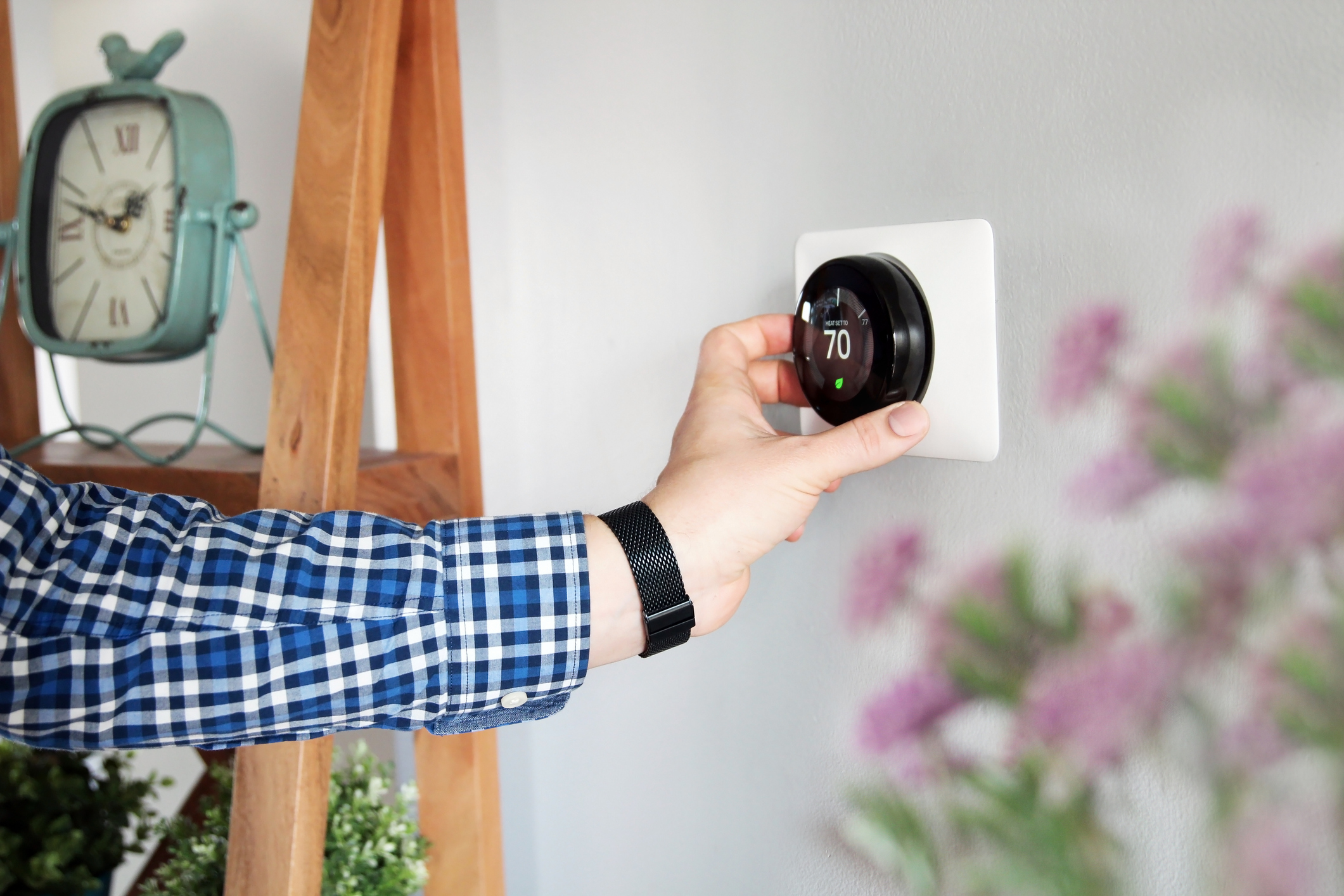
The weather in Texas can be unpredictable during the springtime. It’s possible to experience heat and humidity one day and cool, windy weather the next. These weather shifts force your HVAC system to switch between heating and cooling more often, which can lead to uneven comfort and higher energy use. Using thermostat strategies helps you respond to sudden weather swings and manage indoor humidity.
Why Spring Thermostat Settings Matter in Texas
Your HVAC system may switch between heating and cooling modes frequently in the spring. This constant adjustment affects energy use, indoor comfort, and equipment performance. Effective thermostat strategies help prevent overworking your HVAC system during unpredictable weather. Spring settings also influence humidity control. When your system runs efficiently, it removes excess moisture while maintaining comfortable airflow.
Temperature Setpoints for Mild Days and Cool Nights
Spring weather often brings warm afternoons followed by cool evenings. Setting your thermostat too aggressively during these transitions can waste energy and create comfort issues. For mild daytime conditions, slightly higher cooling setpoints help your system run efficiently without constant cycling. During cooler nights, moderate heating setpoints prevent temperature swings while keeping energy use in check.
Programmable and smart thermostats make these adjustments easier. You can schedule temperature changes to match your daily routine, eliminating the need to manually adjust the thermostat multiple times per day. If you are using a ductless system, you may rely on individual thermostat controls for different rooms. Zoned temperature control improves comfort and reduces energy waste, especially when some areas of the home warm faster than others.
Thermostat Mistakes That Waste Energy
You may assume frequent thermostat adjustments improve comfort, but some habits actually increase energy use and equipment wear. Constantly raising and lowering temperatures forces your system to work harder than necessary. Large temperature swings can trigger longer run times and uneven cooling or heating.
Switching between heating and cooling modes too often can also create inefficiency. Systems need time to stabilize, and frequent changes prevent them from operating at peak performance. Ignoring humidity settings can make indoor air feel uncomfortable. Balanced thermostat strategies in spring consider both temperature and humidity control.
Incorrect thermostat placement can also lead to poor performance. Thermostats installed near windows, vents, or direct sunlight often misread room conditions and cause unnecessary system cycling.
When a Thermostat Problem Is Really an HVAC Issue
Not every comfort issue stems from thermostat settings. Sometimes the thermostat simply reveals deeper problems in the HVAC system. Frequent on-off cycling may indicate airflow restrictions, refrigerant problems, or overheating components rather than faulty thermostat programming. Uneven temperatures can point to duct issues or insulation gaps. Weak airflow often signals filter buildup or blower concerns.
Electrical problems may also appear as thermostat malfunctions. If your system struggles to start or respond, wiring or power issues may be the real cause. Recognizing the difference between a setting issue and a mechanical problem helps prevent unnecessary adjustments and ensures the system receives proper service when needed. Contact our team at Deane Electric & Air Conditioning, LLC for assistance in Killeen, TX.
Thermostat Strategies for Texas Spring FAQs
Breaker trips usually indicate an electrical concern rather than a thermostat malfunction. Start-up draws high power, and worn components, wiring problems, or motor issues can overload the circuit.