
What Size Heating System Is Right for My Home?
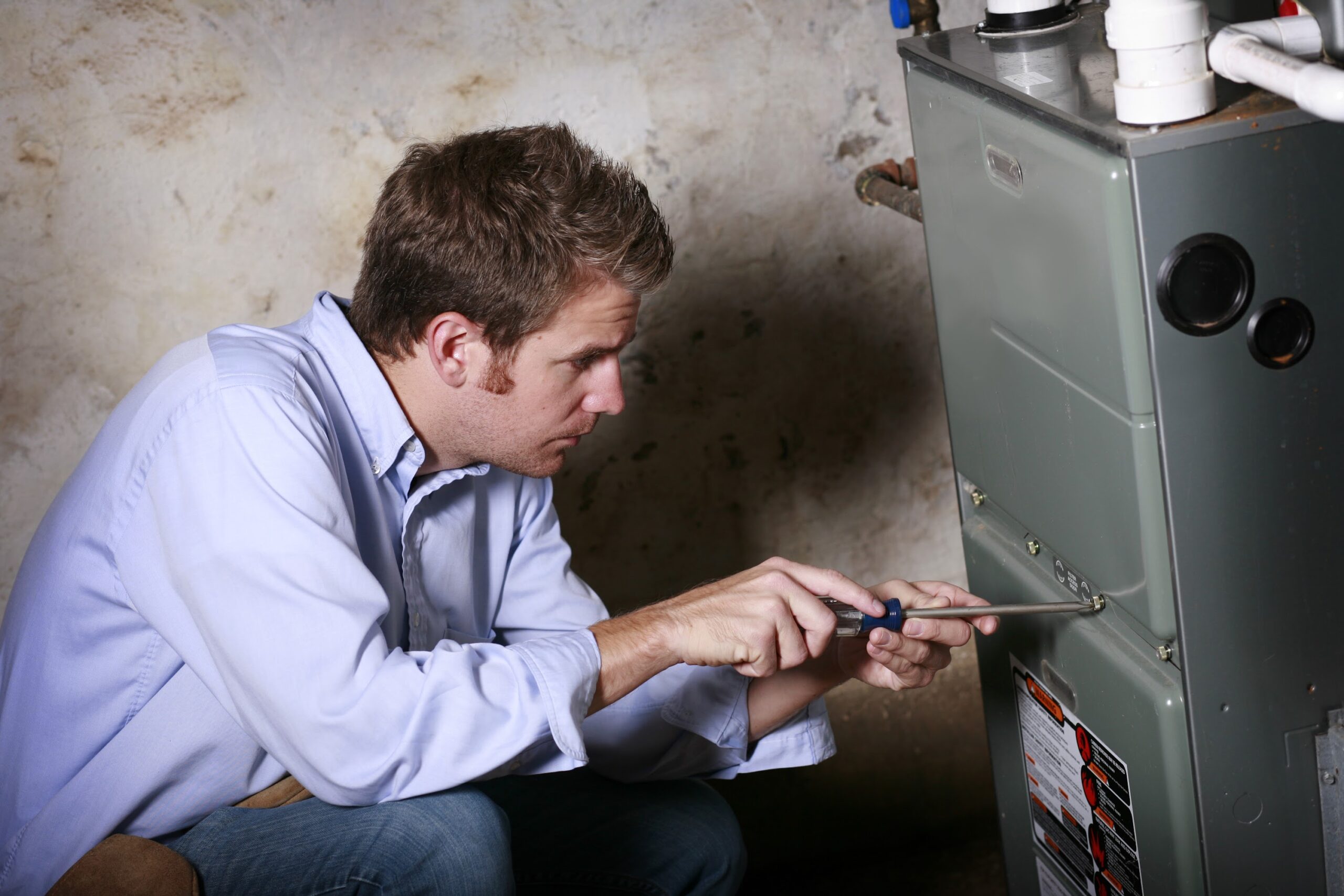
Consistent heating starts with sizing a system that fits your space. If you choose one that is too small, rooms may feel cold, and one that is too large can lead to short-cycling, wasted energy, and added wear on parts. Insulation, window area, sun exposure, duct design, and home square footage all affect sizing. At our local HVAC team in Killeen, TX, we perform load calculations, measurements, and a quick duct review to match equipment to your home. Read on to learn what the right size heating system means for comfort you can actually feel.
Why Square Footage Alone Misses the Mark
Square footage is only a rough starting point for sizing. Two homes with the same footprint can need very different heating capacity because their building envelopes are not equal. One may have new windows, sealed attic penetrations, and dense attic insulation. The other may have leaky sash frames, thin attic coverage, and a vented crawlspace that allows cold air to enter under floors.
A vaulted family room, a wall of glass in the dining area, or a finished room over the garage changes how heat moves. Even your routine matters. If you want your home warmer in the morning after a cooler night, the system must recover quickly without overworking. When decisions are based on square footage alone, you risk buying a unit that short-cycles and runs loudly or one that cannot keep up, which is why proper HVAC sizing should always come first.
How a Load Calculation Guides the Choice
A proper load calculation gives the numbers technicians use to choose the right size heating system for your house. The technician measures window sizes, notes orientations, checks insulation levels, identifies air leakage paths, and records construction details. Software converts those inputs into a heating load number that varies by outdoor weather and indoor setpoint.
With that data, technicians can match equipment capacity to your home’s real heat loss, instead of guessing. This is the same approach used when planning heating system replacement, because replacement is the best time to correct oversizing, undersizing, and airflow mistakes.
Ductwork and Airflow Put Limits on the Choice
Heating capacity means little if ducts cannot move the air. Static pressure readings indicate whether the blower will struggle. Undersized ducts or sharp bends can starve the system and prevent warm air from reaching rooms. Leaks in a crawlspace or attic can allow warm air to escape before it reaches your living space.
Sometimes the smart path is upgrading a return, sealing key duct sections, or correcting a bottleneck so the equipment you buy can breathe. In other cases, zoning makes sense for comfort balance, especially in homes with mixed ceiling heights or long duct runs. If you are seeing uneven rooms or weak airflow, start with a professional airflow diagnosis so you know whether the issue is capacity, duct design, or both.
Heat Pump or Furnace: Matching Equipment to the Load
Different equipment types handle the same load in different ways. A modern heat pump can track load across mild days and cooler nights with variable output, resulting in longer, quieter cycles. On colder snaps, auxiliary heat must be managed with smart controls so it helps only when needed. A gas furnace delivers heat in stages or at variable output, depending on the model.
If sized too large, your system can hit the setpoint quickly, shut off, and repeat, which creates temperature swings and more starts and stops. If sized too small, it may run long cycles but still feel weak in certain rooms. The best outcome is matching capacity to load, then pairing it with the right control strategy, which is why experienced home heating services should include both sizing and airflow checks.
Signs Your Current System Is the Wrong Size
Your home usually tells you when heating system size is wrong. Short, loud bursts followed by long off periods often point to too much capacity, especially when you also notice wide temperature swings and frequent blower cycling. Rooms with big windows may stay cooler than interior rooms when ducts cannot deliver enough warm air to offset heat loss through glass.
Long cycles that still leave you reaching for a sweater can indicate low capacity, duct delivery problems, or both. Frequent limit trips can point to low airflow or an overly restrictive filter. Heat pumps that rely heavily on auxiliary heat in mild weather may be sized poorly or set up incorrectly. If these patterns sound familiar, review your options for equipment sizing help before you spend money on another patch repair.
Why the Install Day Matters as Much as the Math
Even a perfect load calculation cannot save poor setup. The cabinet must sit level so condensate drains correctly and the blower runs efficiently. Return and supply transitions should fit without step-downs that whistle or restrict airflow. Duct seams should be sealed with mastic to keep warm air inside the duct system. Gas pressure, temperature rise, and static pressure should be measured and confirmed within the manufacturer’s range.
Heat pump charge must be verified using the method the manufacturer specifies. This is where a team trained in professional heating installation can make sure your system performs the way it should, instead of struggling from day one.
When Repair, Replacement, or Zoning Makes Sense
Repairing an old, mis-sized unit stops making sense when you are spending money that does not improve comfort or reliability. If the system is near the end of its expected life and repairs keep stacking up, replacement sized correctly is usually the better long-term move. If your equipment still has life left but one area never warms up, a duct correction or small zoning adjustment may fix comfort without full replacement.
If a blower or igniter fails on equipment that is otherwise correctly sized, a targeted emergency heating repair can restore operation without pushing you into replacement before you are ready.
Special Cases: Additions, ADUs, and Small Businesses
Additions and converted spaces can change heat loss and airflow needs. Tying a new room into an existing system can steal comfort from the main house if ducts and equipment are not sized for the added load. A ducted mini-split or dedicated small air handler can handle the new space without disrupting the original balance.
For small offices or shops, needs can differ due to occupant density, door traffic, and glass frontage. In those cases, it helps to evaluate commercial heating options designed for runtime patterns and service access that fit business schedules.
Get the Right Size With a Pro Plan
Smart sizing combines a load calculation with duct testing, equipment selection, and careful setup so your system runs smoothly all season. Our technicians perform load calculations, review duct capacity, and confirm airflow so your heating system fits your space. After installation, routine tune-ups help keep airflow strong and performance consistent. For help choosing the right heat pump or furnace size, start with local heating service that includes real measurements, not guesswork.