Why Is My Furnace Blowing Cold Air?
Furnace blowing cold air is one of the most frustrating winter HVAC problems, because it feels urgent even when the cause is simple. When cold winter weather settles in, having a reliable furnace is a must to keep your home and family warm, but if your furnace is blowing cold air, something is interrupting the heating cycle or airflow. Below, we’ll cover what it means when a furnace blows cold air, the most common causes, and what you can do next.
What Does It Mean When Your Furnace Blows Cold Air?
When your furnace is blowing cold air, it can point to several different issues, ranging from thermostat settings to safety shutoffs. It helps to remember there are two core parts working together: the furnace section that creates heat and the blower section that moves air through the duct system. If either side has a problem, you may feel cold air at the vents even though the system is trying to run, and that is when home heating services can help confirm what is happening quickly.
13 Common Reasons Your Furnace Blows Cold Air
If you notice furnace blowing cold air during a cold snap, you probably want a fast fix. Some causes are DIY-friendly, while others need a technician. Use this list to narrow down what is most likely in your home.
1. Thermostat Set to Cool or Fan Set to On
One of the most common reasons a furnace blows cold air is a thermostat setting issue. First, confirm your thermostat is set to Heat, not Cool. Next, check the fan setting. If the fan is set to ON, it will run continuously and can push unheated air between heating cycles. Switching the fan from ON to AUTO often resolves the “cold air” complaint, because AUTO only runs the blower when the furnace is actively heating.
2. Dirty or Clogged Air Filter
A dirty filter can restrict airflow and cause the furnace to overheat. When that happens, a safety switch may shut down the burners while the blower keeps running, which feels like your furnace is blowing cold air. Replacing the filter is one of the quickest steps to restore normal airflow and steady heating.
3. Closed or Blocked Supply and Return Vents
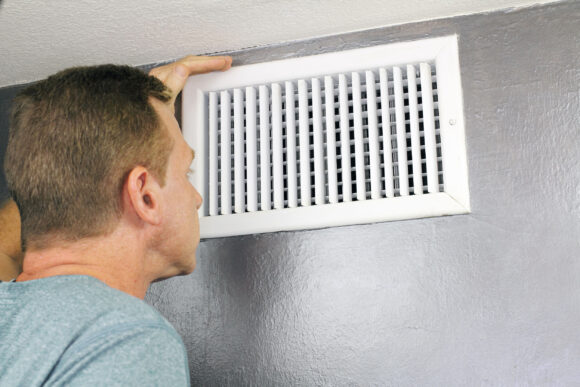
Blocked vents, closed registers, and furniture covering returns can reduce airflow enough to trigger overheating and safety shutoffs. Make sure supply vents are open, returns are not blocked, and airflow can circulate through the home.
4. Pilot Light Has Gone Out
Older gas furnaces may rely on a standing pilot light. If it goes out, the burners cannot ignite, so the blower may circulate air that is not heated. If you are comfortable doing so, follow the manufacturer’s instructions to relight it safely.
5. Faulty Electronic Igniter
Modern furnaces use an electronic igniter instead of a standing pilot. If the igniter fails, the burners will not light and you can end up with a furnace blowing cold air situation even though the system is “calling” for heat. This typically requires professional replacement.
6. Clogged Condensate Drain Line
High-efficiency furnaces produce moisture that must drain properly. If the drain clogs, the furnace may shut down as a safety measure while the blower continues, leaving you with cool air at the vents. A technician can clear the blockage and verify the drain route is correct.
7. Gas Supply Valve Turned Off or Restricted
If the gas valve is partially closed, fully off, or restricted, the furnace may not get enough fuel to heat properly. This can look like your furnace is blowing cold air because the blower runs without consistent burner operation. If you confirm the valve is open and the issue continues, a pro should inspect the supply safely.
8. Dirty or Failing Flame Sensor
Flame sensors verify burner flame. If the sensor is dirty or failing, it can shut off gas flow even when the burners should stay on. That leaves the blower pushing air that is not being heated. Carefully cleaning the sensor may help, but replacement is sometimes needed.
9. Tripped or Faulty High Limit Switch
The high limit switch protects against overheating. If it trips frequently, there is usually an airflow problem. If it is faulty, it can shut the furnace down even when temperatures are normal, which can create a repeated furnace blows cold air pattern.
10. Furnace Overheating From Poor Airflow
Poor airflow is one of the biggest drivers of overheating and short heating cycles. The furnace shuts down to protect itself, but the blower may still move air. If this keeps happening, you may also see other electrical symptoms around the home during heavy winter usage, and it is worth reviewing winter breaker problems as another sign your home is under seasonal strain.
11. Leaky or Poorly Insulated Ductwork
Leaky ducts can spill warm air into attics, crawlspaces, or walls before it reaches your rooms. By the time airflow reaches vents, it can feel cool, making it seem like furnace blowing cold air is the issue when the real problem is heat loss in the duct system.
12. Oversized System That Short Cycles
An oversized furnace can heat too fast, shut off too quickly, and then push cooler air as the blower cycles, which many homeowners describe as “my furnace is blowing cold air.” Proper sizing is critical, and if you suspect this is happening, review choosing the right size so you know what a technician will evaluate in your home.
13. Aging Furnace or Failing Heat Exchanger
As furnaces age, efficiency drops and components wear down. A failing heat exchanger can reduce heat transfer and may create serious safety concerns. If your system is older and performance is declining, it helps to understand typical furnace lifespan so you can plan repairs versus replacement before a breakdown.
How Do You Fix a Furnace That Blows Cold Air?
Start with the safe basics: confirm thermostat mode and fan settings, replace a dirty filter, and make sure vents are open and unblocked. If your furnace blows cold air after those checks, the issue is usually related to ignition, sensors, fuel delivery, drainage, or safety switches, and a trained technician should diagnose it with the right tools.
Is It Safe to Run a Furnace Blowing Cold Air?
In many cases, it is best to turn the system off and identify the cause, especially if you smell gas, notice unusual noises, or the system keeps shutting down. A furnace that is repeatedly overheating or triggering safety shutoffs can be damaged if it continues to run without correction.
When to Call a Professional Furnace Repair Tech in Killeen
If your furnace is blowing cold air and the simple steps above do not solve it, it is time for professional help. Deane Electric & Air Conditioning provides 24/7 heating repair for urgent issues, and we can identify the root cause quickly so you can get back to consistent, safe heat.